Introduction
Saratov sits on the Volga and combines urban centers, industrial zones and floodplain areas. Successful construction here requires attention to regional climate, soil and flood risks, as well as compliance with Russian building regulations and local administration rules. This guide gives practical, locally focused advice for planning and executing construction projects in Saratov Oblast.
Key local conditions to consider
— Climate: cold winters and warm summers. *Freeze–thaw cycles* affect material choice and detailing.
— Soils: large areas have fertile chernozem and alluvial deposits near the Volga. *Groundwater and compressible alluvium* can be an issue in floodplains.
— Frost depth: varies by location; *typical shallow foundations must account for seasonal freezing* — verify with geotechnical investigation.
— Flood risk: near-river plots may be in regulated flood zones; building restrictions or elevation requirements can apply.
— Heritage areas: central Saratov contains historical buildings — renovation or new work in these zones often needs additional approvals.
Regulatory and permitting overview
— Prepare full design documentation (architectural, structural, engineering).
— Obtain necessary approvals from the local municipality and utility owners.
— Large or technically complex projects may require state expertise (independent review).
— Contractors working on construction must typically belong to a self-regulatory organization (SRO) for certain types of work.
— Register completed buildings with Rosreestr and obtain cadastral documents.
— Always check current federal and regional legislation and local administration requirements before starting work.
Typical construction systems and materials
— Masonry: brick and block walls are common for durability and thermal mass.
— Monolithic reinforced concrete: used for foundations, slabs, and multi-storey frames.
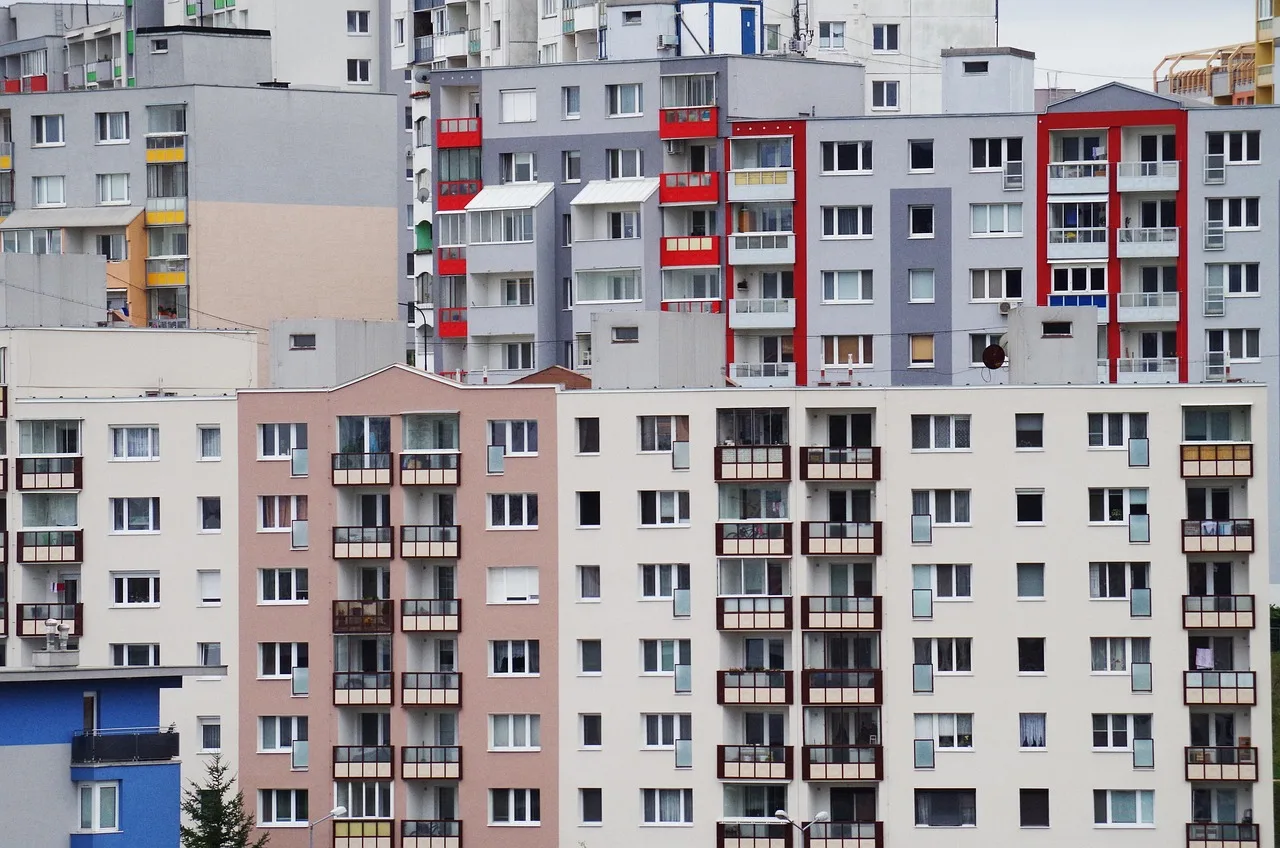
— Prefabricated panel systems: legacy Soviet-era panel housing still significant in city areas; renovations often focus on insulation and utilities.
— Timber/frames: increasingly used for private houses (with modern insulation).
— Roofing: pitched metal tile or ceramic in private housing; flat membrane systems for multi-storey buildings.
Foundations, waterproofing and thermal protection
— Do a geotechnical survey on every plot: determines bearing capacity, groundwater level and frost depth.
— Foundation types: shallow strip/slab where soils are stable; piled foundations where soft/alluvial soils or high groundwater occur.
— Waterproofing and drainage are critical near the Volga and for sites with high groundwater.
— Insulate foundations and slab edges to reduce heat loss and mitigate frost heave.
— Use designs that minimize thermal bridges and ensure continuous vapor control.
Utilities and heating
— Urban Saratov: access to district heating (centralized) in many neighborhoods — coordinate with the utility operator early.
— Gas: common for private houses and many apartment buildings; connection requires technical conditions from the gas supplier and a licensed installer.
— Water and sewer: central systems in city areas; septic systems for remote plots (subject to sanitation rules).
— Electricity: plan load, upgrades and meter placement; long lead times possible for supply upgrades.
— Ventilation and energy efficiency: modern builds should include controlled ventilation and consider double/triple glazing and high-performance insulation.
Choosing contractors and managing contracts
— Verify contractor credentials: SRO membership (if relevant), insurance, portfolio and references.
— Use a detailed contract specifying scope, materials, schedule, milestones, payment terms and penalties.
— Require technical supervision and quality control (independent inspector or project engineer).
— Keep a clear record of changes (change orders) and approvals.
Timeline and cost drivers
— Seasonality: excavation and external works are easiest in frost-free months; winter construction is possible but usually raises costs.
— Main cost drivers: foundation complexity, utility connections, finishing standards, and site preparation (dewatering, soil stabilization).
— Allow contingency in the budget (typically 10–20%) for unforeseen geotechnical or utility issues.
Practical pre-construction checklist
— Confirm plot ownership and cadastral status (Rosreestr).
— Order geotechnical and topographic surveys.
— Obtain design documentation and list of required permits.
— Request technical conditions from utility providers (gas, water, electricity, heating).
— Check flood zone and heritage restrictions with local authorities.
— Select contractor, conclude contract with clear terms, and arrange construction insurance.
— Plan waste management and site safety measures.
Useful contacts and resources
— Saratov city and oblast administration building/urban planning departments — local permits and zoning rules.
— Rosreestr — cadastral and registration services.
— Local SROs — verify contractor membership and registration.
— Licensed design bureaus and geotechnical firms in Saratov — for surveys and project documentation.
— Federal and regional building codes (SP, GOST, current legislation) — for technical standards and compliance.
Conclusion
Construction in Saratov demands careful attention to soils, frost and flood risks, coordinated utility connections, and strict adherence to permitting procedures. Start with a geotechnical survey and reliable design documentation, work with licensed local professionals, and engage