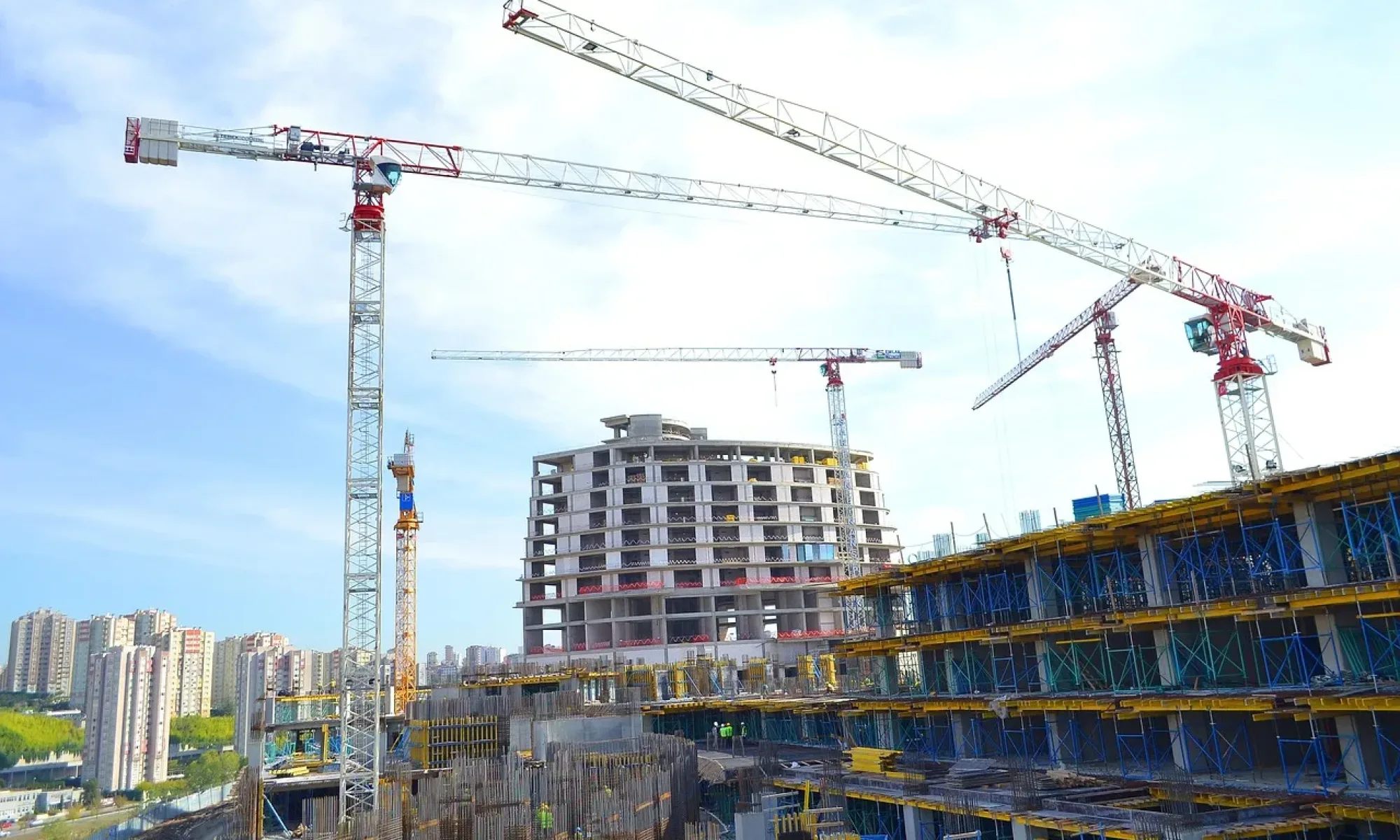
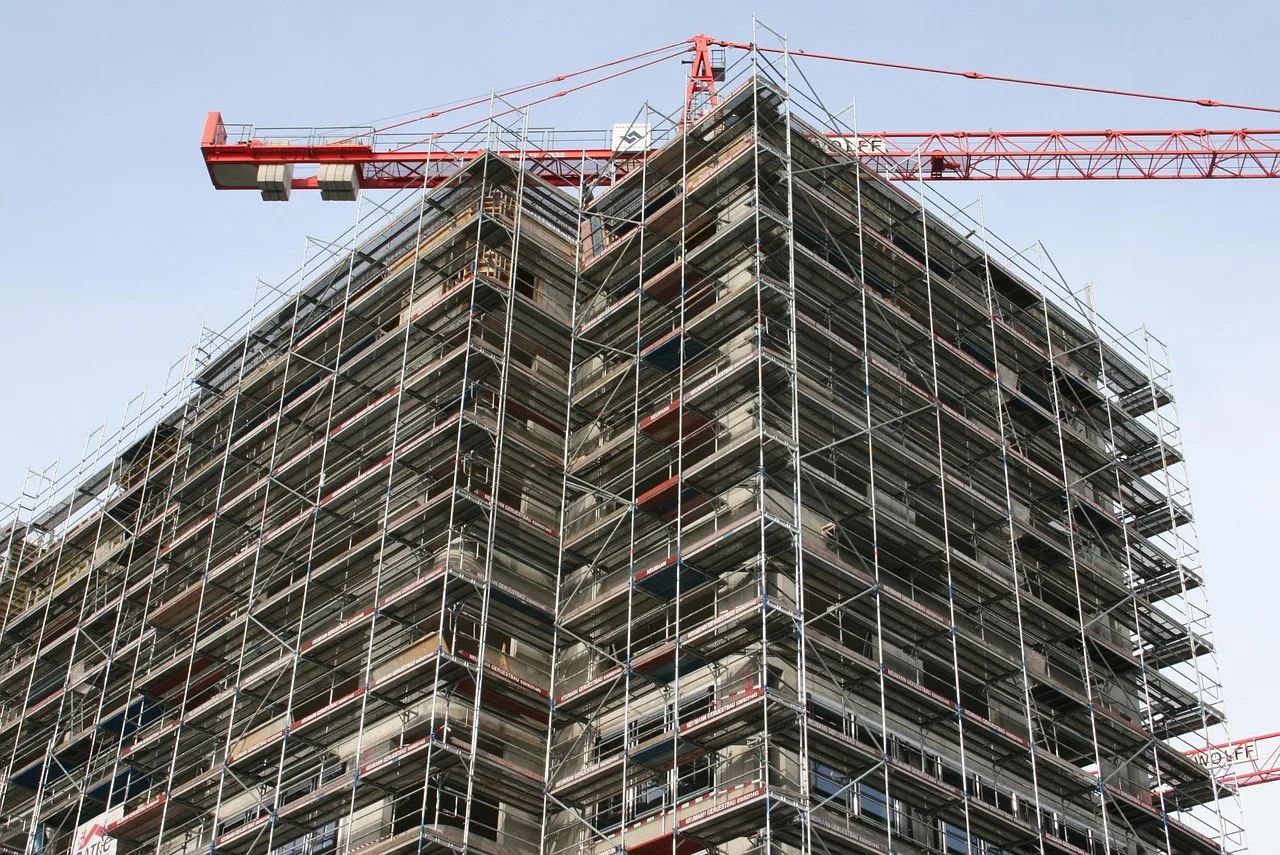
Construction in Saratov, Russia: Practical Guide for Developers and Homeowners
Saratov and the surrounding oblast present specific opportunities and challenges for construction projects. Whether you plan a private house, a renovation, or a commercial build, local climate, soils, regulations and supplier networks must shape your decisions. This guide gives a focused overview and practical steps to help your project succeed.
Quick overview: local context
— Climate: continental with cold winters and warm summers — significant temperature swings and seasonal freeze–thaw cycles.
— Geography: proximity to the Volga River and varied soil types (including alluvial deposits in lowlands) means site-specific geotechnical assessment is important.
— Regulations: Russian building codes today follow СП and GOST standards (successors to older SNiP norms); local administrative rules and municipal requirements in Saratov must be checked before work begins.
Popular building types and materials in Saratov
— Private houses: timber frame, timber logs, brick, aerated concrete (газоблок) and foam block constructions are common.
— Multi-storey/commercial: reinforced concrete and brick masonry dominate.
— Roofs: metal roofing (профнастил), soft roofing (мягкая кровля), and metal tiles are widely used because of durability and snow-shedding properties.
— Insulation and energy efficiency: mineral wool, extruded polystyrene (XPS) and modern vapour barriers; attention to airtightness is increasingly important given heating needs in winter.
Site preparation and foundation notes
— Always commission a geotechnical survey (условия грунтов). Soil variability near the Volga or in former floodplains can demand special foundation solutions.
— Frost heave is a real risk: foundations and slabs should be designed to account for seasonal frost depth. *Never* rely on generic assumptions—use local data or a specialist’s calculation.
— Drainage and groundwater control: plan for reliable surface and subsurface drainage to protect foundations and basements.
Permits, approvals and registrations
— Early step: contact Saratov municipal authorities to learn required permits for your project type. Local rules may vary by municipality and by whether the build is individual housing or commercial.
— Typical processes include: land use checks, building permits or notifications (depending on project size/type), utility connection approvals, and cadastral registration.
— Engage a local architect or consultant familiar with СП/GOST compliance and Saratov procedures to avoid delays.
Choosing contractors and suppliers — checklist
— Verify experience and local references: ask for recent projects in Saratov or nearby towns.
— Licensing and registration: check contractor registration and, for large projects, relevant certificates.
— Contracts: sign a detailed contract with scope, phases, payment schedule, warranty, and responsibility for permits.
— Insurance: prefer contractors with civil liability insurance and clear subcontractor arrangements.
— Materials: confirm origin, technical passports, and guarantees for major materials (concrete grade, insulation R-values, roofing materials).
Scheduling & seasonal planning
— Main earthworks and concrete works are best in late spring–summer when frost is absent.
— Winter construction is possible but requires winterized concrete, heated enclosures and higher costs. Plan budgets and timelines accordingly.
— Order long-lead items (windows, engineered trusses, prefabricated elements) well in advance to avoid delays.
Cost control and value tips
— Invest in proper thermal envelope and airtightness — saves substantially on heating costs in the long run.
— Consider modular or prefabricated elements for speed and predictable quality.
— Get at least three detailed estimates and compare scope, not just price.
— Plan for a contingency fund (unforeseen ground conditions, design changes, permit delays).
Common pitfalls and how to avoid them
— Skipping geotechnical surveys — leads to foundation failures or expensive redesigns.
— Vague contracts — end up in disputes and extra costs. Use clear technical specifications and milestones.
— Underestimating utilities — check capacity and connection rules for gas, water, sewage and electricity early.
— Ignoring local municipal requirements — can result in fines or stops on construction.
Final recommendations
— Start by engaging a local architect/engineer to perform site survey and guide permit interactions.
— Prioritise foundation design and insulation for long-term durability and low operating costs.
— Work with reputable local contractors, insist on written guarantees, and schedule construction for milder months whenever possible.
If you’d like, I can prepare a project-ready checklist tailored to your plot in Saratov or a short RFP template to send to local contractors. Which would help you next?