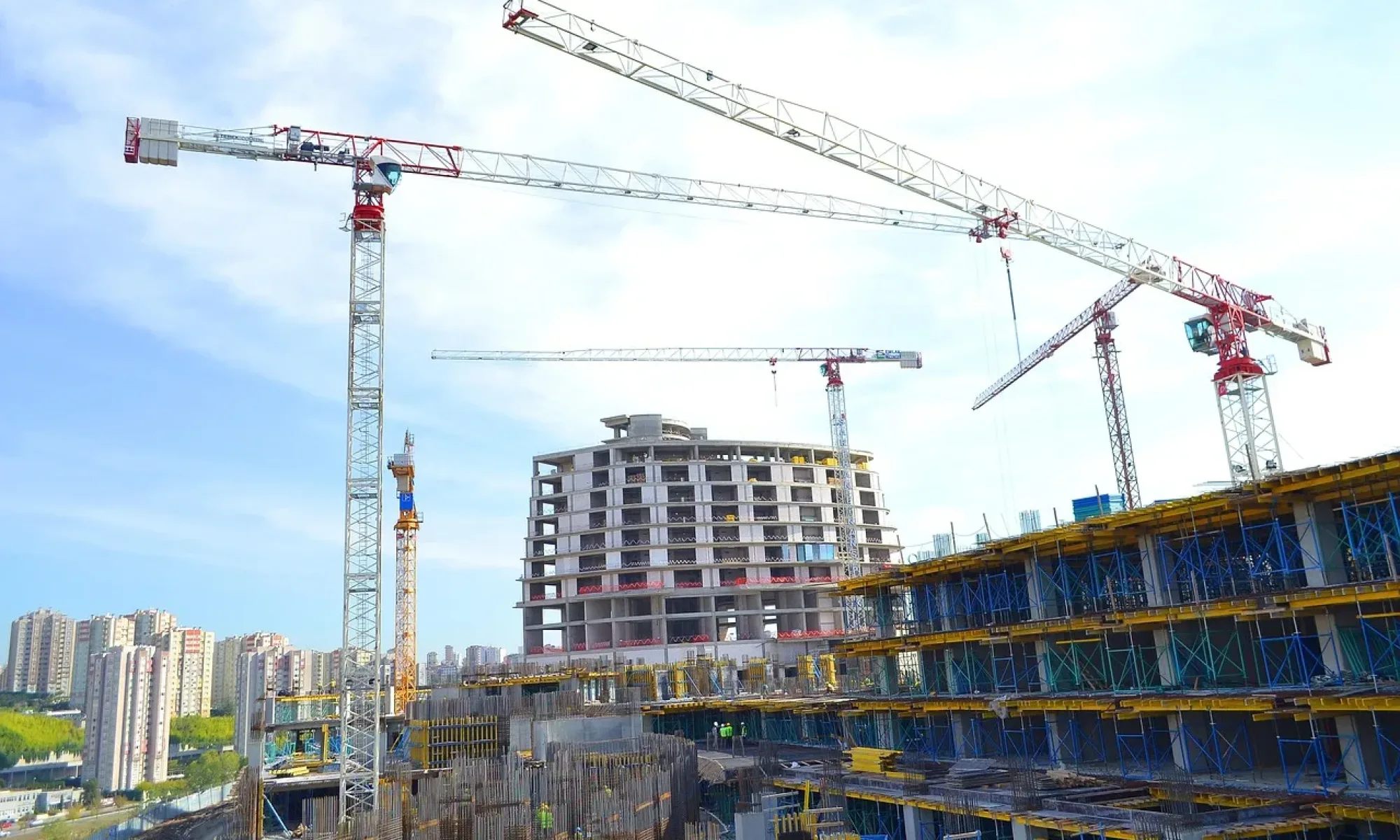
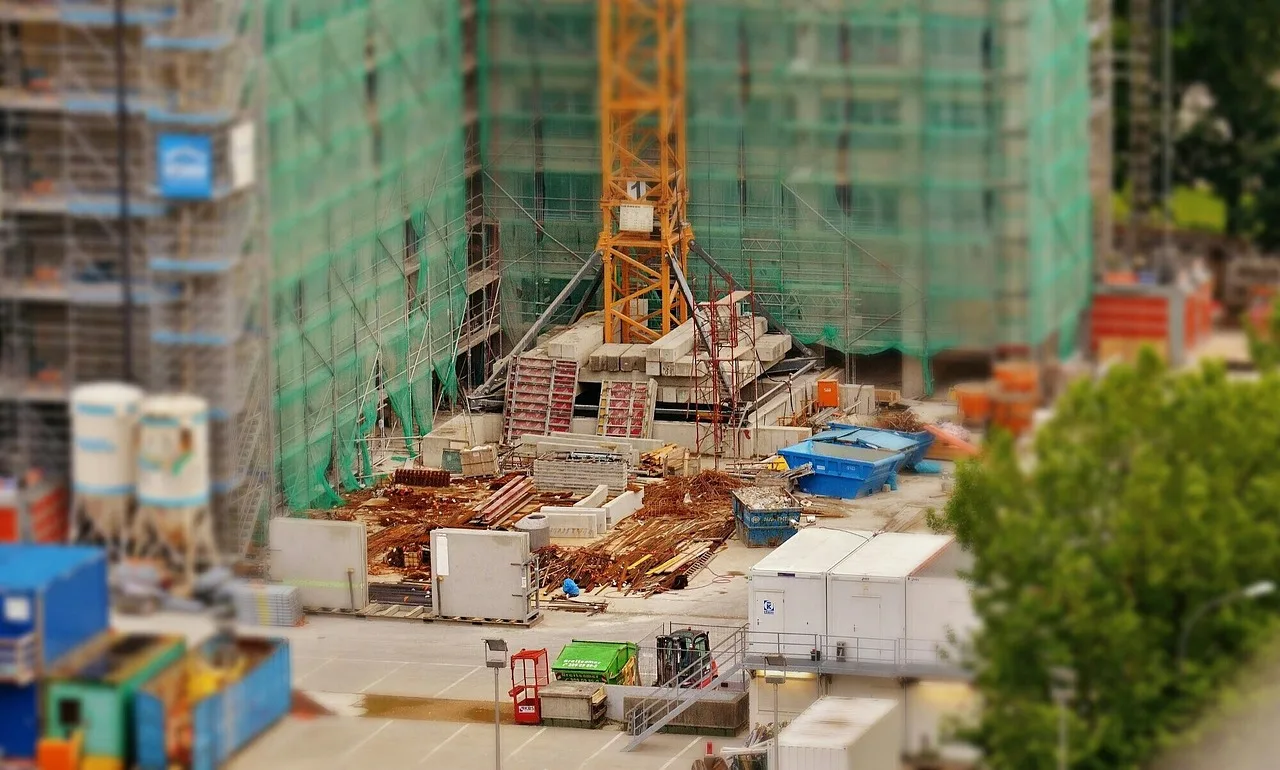
Construction in Saratov — Overview and Practical Guide
Saratov and the surrounding region offer active opportunities for residential, commercial and infrastructure construction. Whether you’re planning a private house, renovating an apartment in a panel building, or managing a mid-size commercial project, success depends on understanding local conditions, regulations and reliable contractor selection.
Quick snapshot: what makes Saratov special
— Location on the Volga River influences groundwater levels and soil composition.
— Continental climate with cold winters and seasonal thawing requires frost-resistant design and insulation.
— Large stock of Soviet-era panel and brick buildings — strong demand for renovation and energy-efficiency upgrades.
— Active local construction market with ready access to concrete, brick, metal and finishing materials.
Local challenges to plan for
— Groundwater and drainage: high or fluctuating groundwater near the Volga means careful waterproofing and drainage design.
— Frost heave and freeze–thaw cycles: foundations, pipelines and external finishes must be frost-resistant.
— Soil variability: loess, alluvial or clayey zones may demand pile foundations or soil stabilization.
— Seasonal work windows: heavy cold limits some exterior works in deep winter; plan scheduling and winterization methods.
Permits and regulations — what to arrange early
— Confirm land rights and cadastral documentation for the plot.
— Obtain required project approvals and the construction permit (разрешение на строительство) from municipal authorities.
— Ensure design documentation complies with national and regional standards (SNiP / SP / GOST) and with the Town Planning Code.
— Work with contractors who hold relevant SRO membership and can provide required certificates and insurance.
Design and engineering priorities
— Start with a geotechnical survey: boreholes, groundwater level, bearing capacity — this drives foundation and drainage design.
— Integrate thermal protection from the start: wall U-values, continuous insulation, quality window selection and attention to thermal bridges.
— Plan for reliable mechanical systems: frost-proof external plumbing, adequately sized heating and ventilation for long winters.
— Include moisture control: breathable wall systems, adequate ventilation and basement waterproofing.
Foundation and structural recommendations
— Match foundation type to soil: strip foundations on stable soils; pile or raft foundations where soils are weak or groundwater is high.
— Protect foundations from frost and water with insulation and perimeter drainage.
— For multi-storey or heavy-load structures, reinforced concrete monolithic frames are common and robust for local conditions.
— For private housing, brick/stone and timber solutions remain popular — evaluate lifecycle costs and maintenance.
Materials and technologies commonly used
— Concrete and reinforced concrete for structural frames and foundations.
— Ceramic and silicate brick for bearing walls; large-panel and monolithic systems for multi-storey buildings.
— Quality waterproofing membranes, bituminous coatings and polymer-based sealants for basements and roofs.
— Modern insulation materials (mineral wool, extruded polystyrene, PIR) for facades and roofs to meet energy performance targets.
Seasonal and logistical tips
— Schedule outdoor earthworks and foundation pours during frost-free periods when possible.
— If winter construction is required, use cold-weather concreting methods and heated storage for materials.
— Coordinate deliveries to avoid exposing materials to moisture or freezing; proximity to suppliers in Saratov helps reduce transport times.
Hiring contractors — checklist
— Verify SRO membership, professional licenses and insurance.
— Request portfolio and references; visit completed projects if possible.
— Insist on a detailed contract: scope, milestones, payment schedule, guarantees/warranty, change-order procedure.
— Choose between contract types depending on risk appetite: lump-sum (fixed price), unit-price, or design-and-build (turnkey).
— Include third-party inspections or an independent engineer for quality control if the project value warrants it.
Cost, financing and timelines
— Get multiple estimates and compare itemized bills of quantities, not just lump sums.
— Account for contingencies (unexpected soils, design changes, inflation for materials).
— Explore local financing or mortgage programs for residential projects and regional subsidies for energy-efficiency upgrades where available.
Renovation & energy retrofit — strong demand in Saratov
— Thermal modernization of panel and brick houses can significantly cut heating costs and improve comfort.
— Typical retrofit priorities: façade insulation, window replacement, roof repairs, balcony glazing and modernization of heating controls.
— Coordinate with management bodies (ТСЖ/управляющая компания) and local authorities for block-level works.
Quality control and handover
— Keep a construction diary, take dated photos and retain delivery receipts for materials.
— Conduct staged inspections at key milestones: foundation, frame, waterproofing, mechanical installations and finishing.
— Require as-built drawings, warranties and a defect list at handover with defined rectification periods.
Practical starter checklist
— [ ] Confirm land ownership and cadastral status.
— [ ] Commission geotechnical and topographic surveys.
— [ ] Prepare design documentation and obtain municipal approvals.
— [ ] Vet contractors for SRO, insurance and references.
— [ ] Sign a comprehensive contract with milestones and warranties.
— [ ] Plan drainage, waterproofing and frost protection as priority items.
— [ ] Schedule key works according to season; plan winter protection for ongoing works.
— [ ] Arrange independent inspection or engineer oversight if needed.
Conclusion
Construction in Saratov requires careful adaptation to local soils, groundwater and climate. Early investment in geotechnical work, robust waterproofing, frost-resistant design and reliable contractors will reduce risks and lifecycle costs. If you’re starting a project, prioritize survey work, regulatory compliance and a clear contract — those steps determine success more than cosmetic choices later on.
If you’d like, I can help draft a contractor questionnaire, a