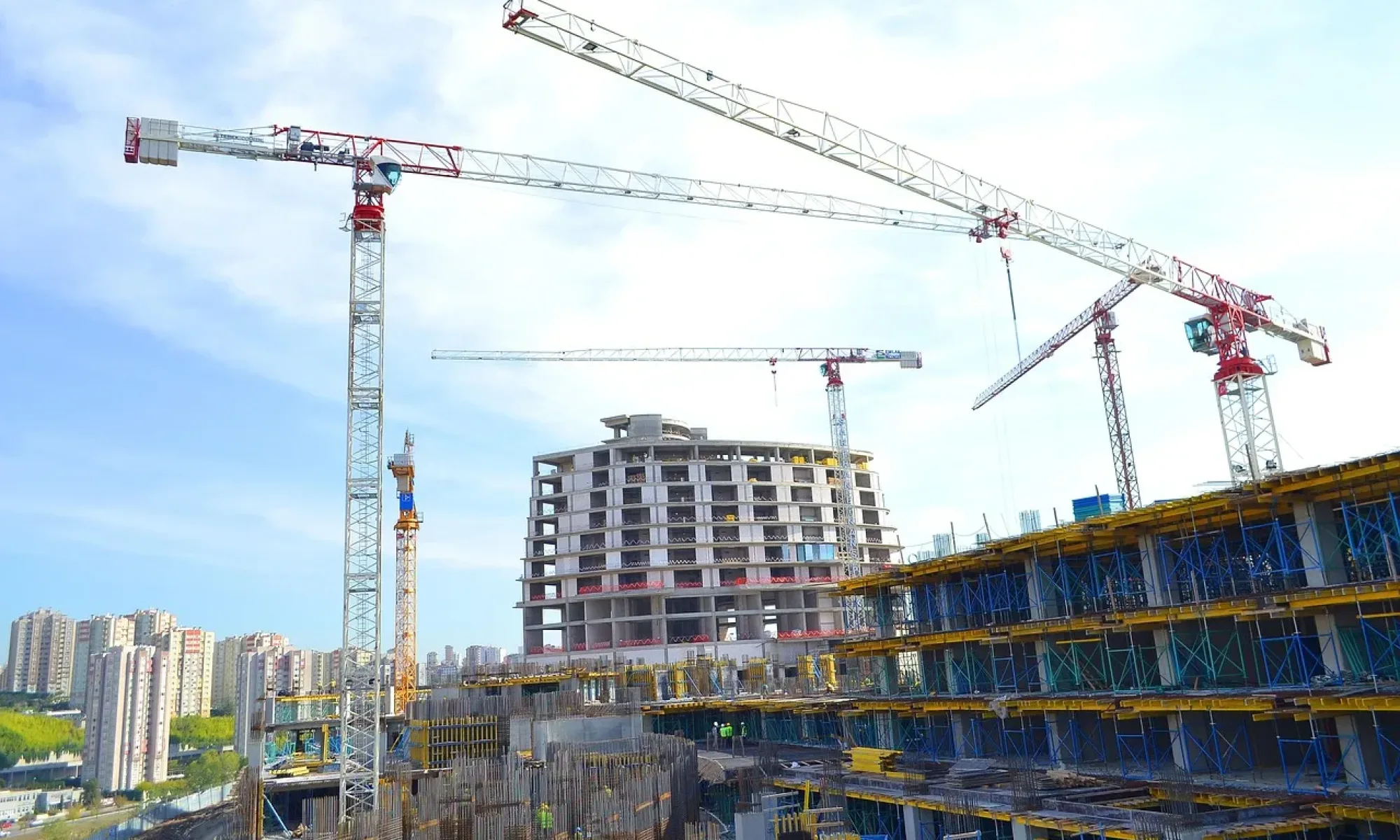
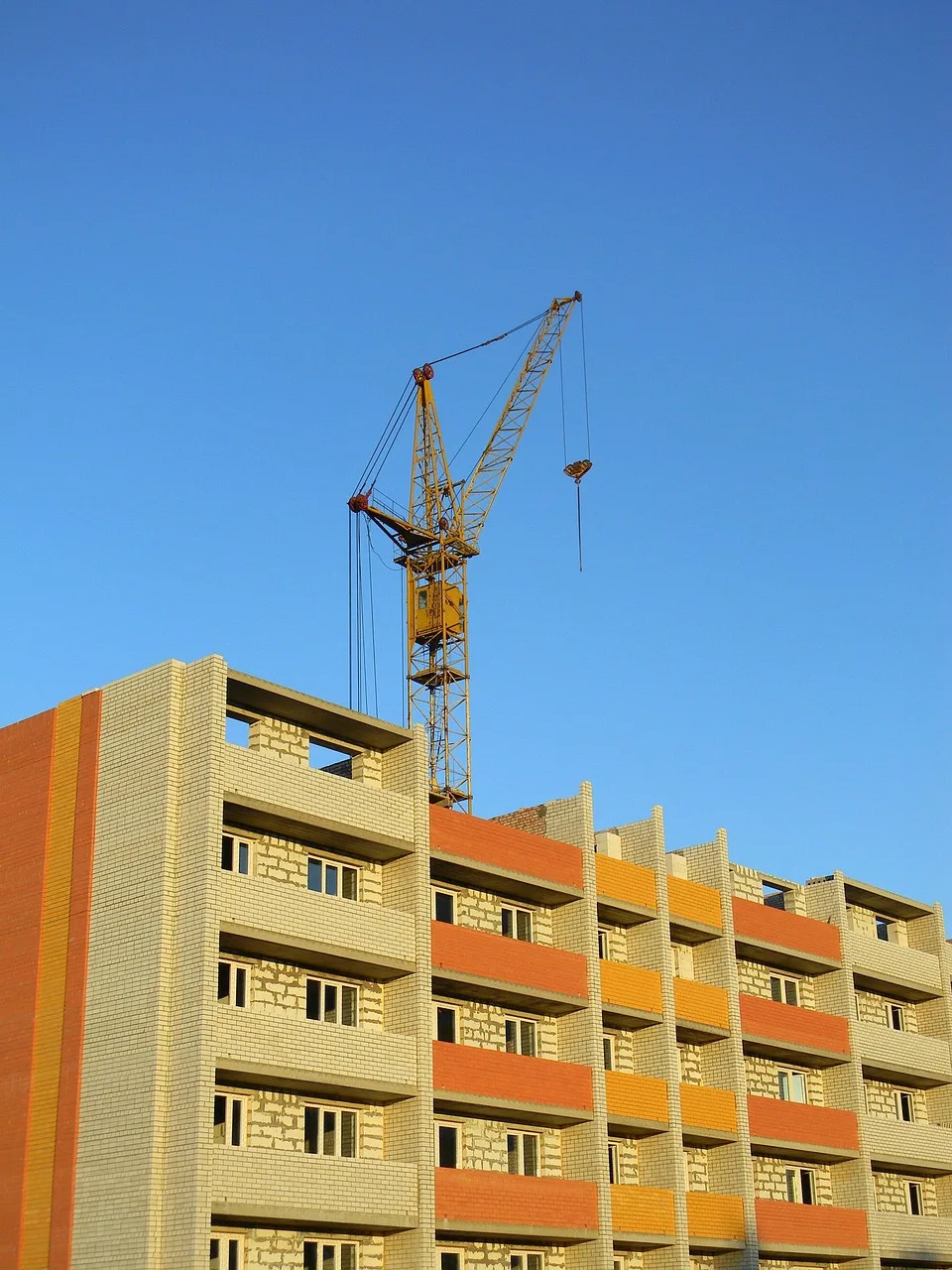
Construction in Saratov — an overview
Saratov and the surrounding Volga region combine a mix of Soviet-era apartment blocks, modern residential developments and private suburban homes. Whether you plan to build a new house, renovate an apartment, or manage a commercial project, understanding local climate, soils, regulations and contractor practices will help you keep costs under control and avoid delays.
Key local conditions to plan for
— *Climate*: Continental climate with cold winters and warm summers. Frost, temperature swings and snow loads affect foundation depth, insulation and roof design.
— *Soils and groundwater*: Near the Volga, expect varied soils — from stable loams to soft alluvial or high groundwater in floodplains. A site-specific geotechnical survey is essential.
— *Materials availability*: Bricks, aerated concrete blocks (gazobeton), poured concrete and timber are commonly used and readily available in Saratov. Local suppliers often offer competitive prices, but check delivery logistics for bulky items.
— *Utilities*: Most urban and suburban sites have access to gas, water and electricity, but connection standards and lead times vary. For remote plots, plan for septic systems, wells and off-grid options.
Planning and permitting — what to expect
— Start with a clear brief: required area, number of rooms, desired finishes, and budget.
— Commission an architect or designer to produce project documentation. Proper drawings speed up approvals and reduce construction errors.
— Permits: requirements depend on project scale. Small private houses and renovations often have simpler procedures; larger developments require more comprehensive documentation and state construction expertise. Always confirm current local rules with Saratov municipal authorities or a local architect.
— Time allowance: include time for project approvals and utility connection agreements — this can add weeks or months depending on complexity.
Construction methods and material choices
— Brick and gas block (aerated concrete)
— Pros: good thermal mass (brick), ease of laying and insulation (gas block), widely used.
— Cons: correct detailing required to prevent thermal bridges and moisture ingress.
— Monolithic reinforced concrete
— Pros: structural strength, flexibility in form.
— Cons: needs good formwork and experienced crew; attention to waterproofing and curing.
— Timber and frame systems
— Pros: fast construction, good thermal performance when insulated properly.
— Cons: requires high-quality protection against moisture and pests; consider fire safety regulations.
— Roofing: metal tile and profiled sheets are common and resilient against snow. Insist on correct ventilation and snow-retention systems.
— Windows and insulation: double- or triple-glazed windows and high-quality insulation are essential to minimize heating bills in Saratov’s winters.
Foundations and moisture control
— Use a geotechnical survey to choose foundation type. Frost depth and soil bearing capacity determine required foundation depth or whether piles are needed.
— In flood-prone or high-water sites, raise the building platform or use pile foundations and waterproofing measures.
— Proper drainage and foundation waterproofing extend the building life and prevent costly repairs.
Heating and utility systems
— Apartments typically use central heating; private houses commonly use gas boilers, district gas, or modern electric/heat-pump solutions where gas is unavailable.
— Plan heating, hot water and electrical loads early; coordinate with structural works to avoid rework.
— Consider energy efficiency: well-installed insulation, modern windows, and properly sized heating systems lower operating costs.
Typical project phases and rough timelines
— Design and approvals: 1–3 months (varies by project complexity and permit requirements).
— Site preparation and foundation: 1–2 months.
— Shell construction (walls, roof): 2–4 months.
— Utilities and rough-in: 1–2 months concurrent with interior works.
— Finishing works: 1–3 months.
Total for a standard private house: commonly 6–12 months from start to move-in, depending on scale and weather.
Budgeting and cost management
— Get at least three detailed quotes from contractors and compare scope, not just price.
— Include a contingency of 15–30% for unforeseen site or material price changes.
— Decide on contract type: fixed-price contracts offer cost certainty but require a complete project brief; cost-plus can be flexible but may increase final cost if not tightly managed.
— Track material and labor payments against milestones and retain a final payment until defects are remedied.
Hiring contractors — practical checklist
— Check company registration, licenses, and insurance coverage.
— Ask for portfolios and references for similar projects in Saratov. Visit completed sites if possible.
— Demand a written contract specifying scope, milestones, payment schedule, warranties and defect correction terms.
— Stipulate quality standards and acceptable brands/types of materials in writing.
— Schedule regular site inspections and progress reports.
Common pitfalls and how to avoid them
— Underestimating soil and groundwater issues — always commission a geotechnical survey.
— Vague contracts — avoid verbal agreements; use detailed written contracts.
— Skimping on insulation and windows — leads to high heating bills and comfort issues.
— Ignoring local building codes and permit needs — can lead to fines or forced alterations.
Sustainable and cost-saving measures
— Invest in high-performance insulation and airtightness — pays off in heating savings.
— Consider solar water heating or heat pumps where feasible.
— Use locally sourced materials where quality is acceptable to save transport costs.
— Plan for low-maintenance exterior finishes to reduce long-term upkeep.
Local tips for Saratov owners
— Time major outdoor works for late spring to early autumn to avoid winter delays.
— For plots near the Volga or low-lying areas, prioritize drainage and raise platforms above known flood levels.
— Use local contractors experienced with regional snow loads and frost considerations — details that out-of-region firms may miss.
Conclusion
Building in Saratov is straightforward with proper preparation: commission a reliable design, perform a soil survey, choose materials suited to the climate, and hire vetted local contractors with clear contracts. Allow time for approvals, budget for contingencies, and prioritize insulation and waterproofing to achieve a comfortable, durable result.
If you’d like, I can provide:
— A sample checklist for contractor interviews;
— A template for a phased payment schedule; or
— A short list of questions to ask during a geotechnical survey. Which would be most useful?